“I’ve got a fever, and the only prescription is more cowbell.”
First, a disclaimer: I am not a doctor. I am not qualified to diagnose medical conditions. What I am qualified to do is point a camera at a sunset and completely lose my mind, which brings us to today’s topic.
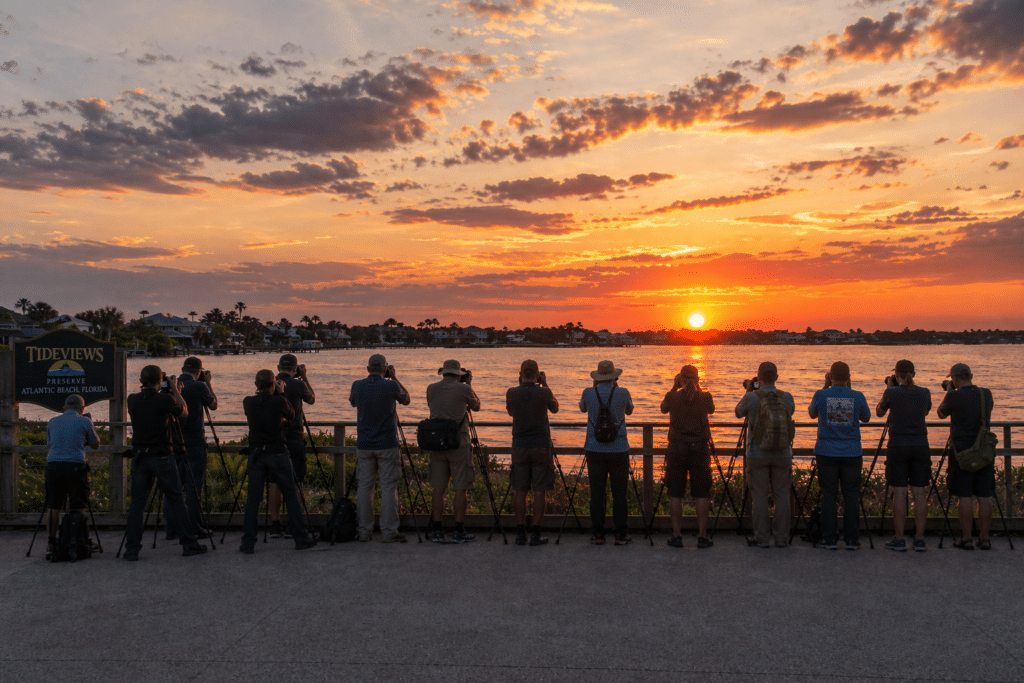
Photographers Anxious at Sunset – or P.A.S. – is a condition that affects an estimated 1 in 10 people worldwide, a number I just made up but which feels about right. It does not affect normal people. If a normal person happens to glance at a beautiful sunset, they may pull out their phone, snap a photo or two, think “huh, pretty,” and then go eat dinner like a rational human being.
Camera people do not do this.
Here is how the day slowly unravels for a P.A.S. sufferer: It begins, innocuously enough, around midday. You check the weather. Casually. Just a peek. But by mid-afternoon, something shifts. You are no longer checking the weather. You are reading the sky like an ancient sea captain whose ship depends on it. Cloud patterns. Sun angle. Humidity. Wind direction. The position of Jupiter. You are not going to work. You are going to work on this.
Then comes the tactical phase. What gear do you need? What shot are you going for? Where, exactly, on this earth do you need to be standing in approximately four hours? Do you need to feed the dog before you go, or … and this is a serious strategic consideration – do you bring the dog? (The dog does not have P.A.S. The dog just wants to go outside. You are overthinking the dog.)
There is also the critical question of orientation: ocean or sunset? Do you want people in the frame? A street scene? An empty pier? Because here is the thing that non-P.A.S. people don’t understand – at sunset, every single one of those options becomes an entirely different photograph, and you need to choose, and you need to choose now.
Then, with approximately twenty minutes until golden hour, the condition reaches its acute phase. You drop everything. You grab the camera bag. You pray – genuinely pray – that the batteries are charged. You go.
Sometimes the sunset delivers. Sometimes it doesn’t. But here is what separates P.A.S. sufferers from lesser mortals: even when the sky fizzles into a flat gray nothing, four times out of five you pivot, find something unexpected, and come home with a photograph you never would have planned. Every session is a tutorial. The sunset just happens to be the professor.
And when it all comes together? When the light breaks right and the colors do that thing and you’re driving home with, as we old-school types say, “the can” – the images, the take, the goods – there is genuinely no better feeling. You cannot wait to get to editing. You are unreasonably happy.
Now, here is the cruel twist that people with P.A.S. will immediately recognize: rainy days. You would think a rainy day would be restful. Zero chance of a sunset. The P.A.S. brain should go quiet. And for approximately five minutes – five glorious, peaceful minutes – it does.
Then the brain says: “Yeah, but what happens when that storm breaks up?”
And you’re back.
So. You now understand P.A.S. If you suspect you have it, and you live somewhere that doesn’t give you enough rainy days to even enjoy those five quiet minutes, then perhaps we should form a group. A support group, one might call it, though “support” implies we are trying to get better.
We are not trying to get better.
Just let me know.

- About the Author
- Latest Posts
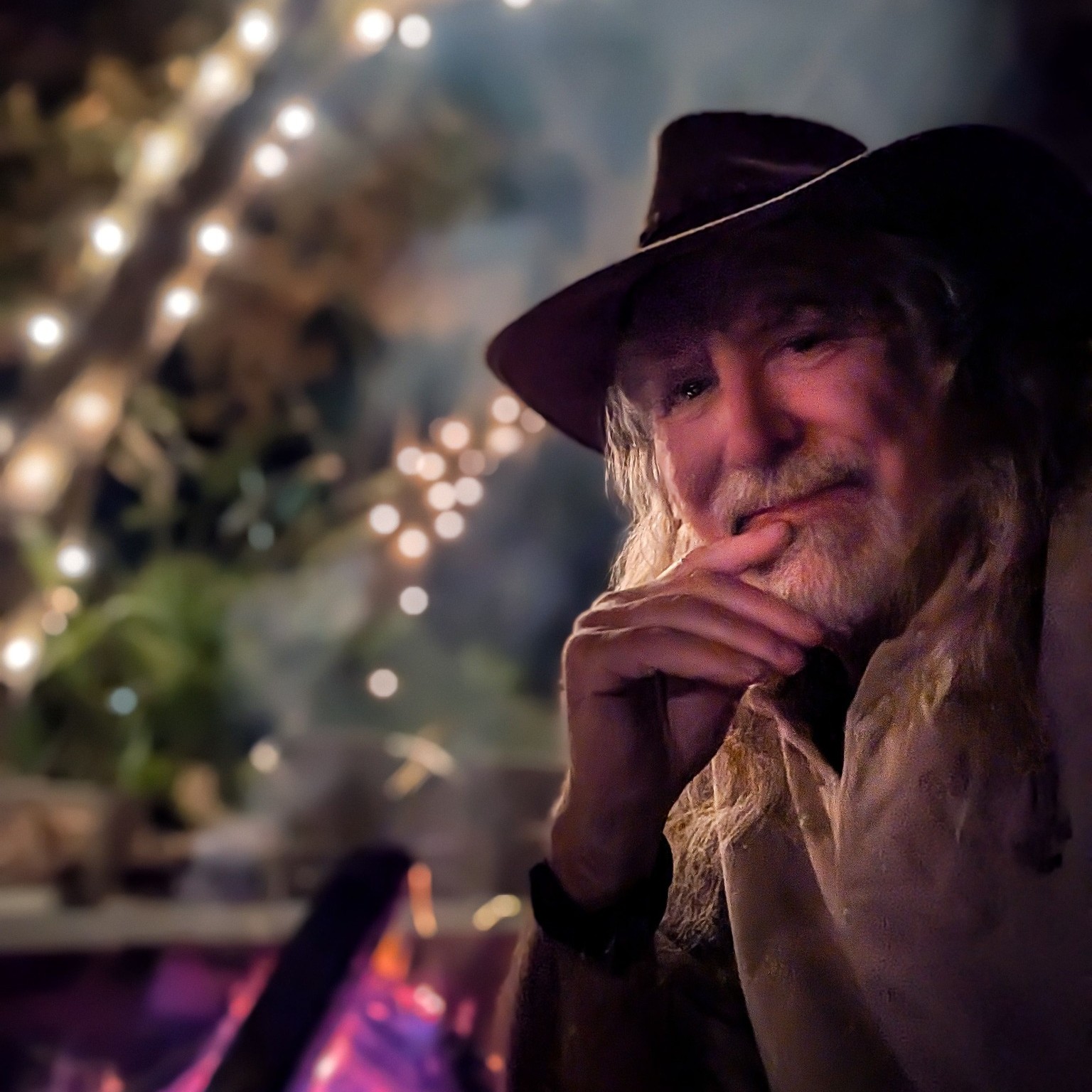
Think Dave Barry with a camera. Photographer Glenn Shuck’s humorous and heartfelt take on First Coast life – sometimes through his camera, sometimes through his words, always with the perspective that comes from years of watching our community evolve.