Issue #271 — When every photograph is designed to impress, fewer of them have anything to say.
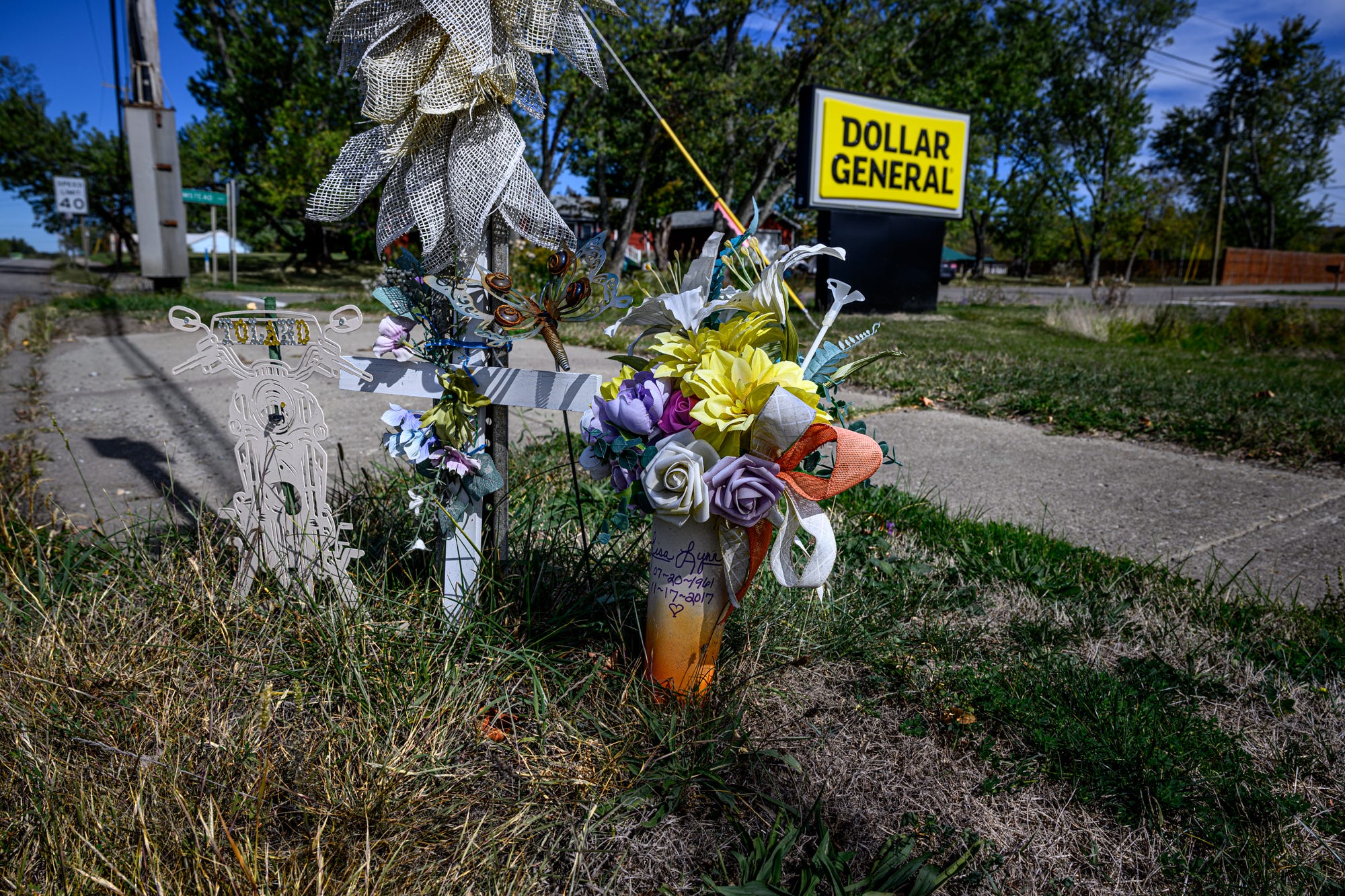
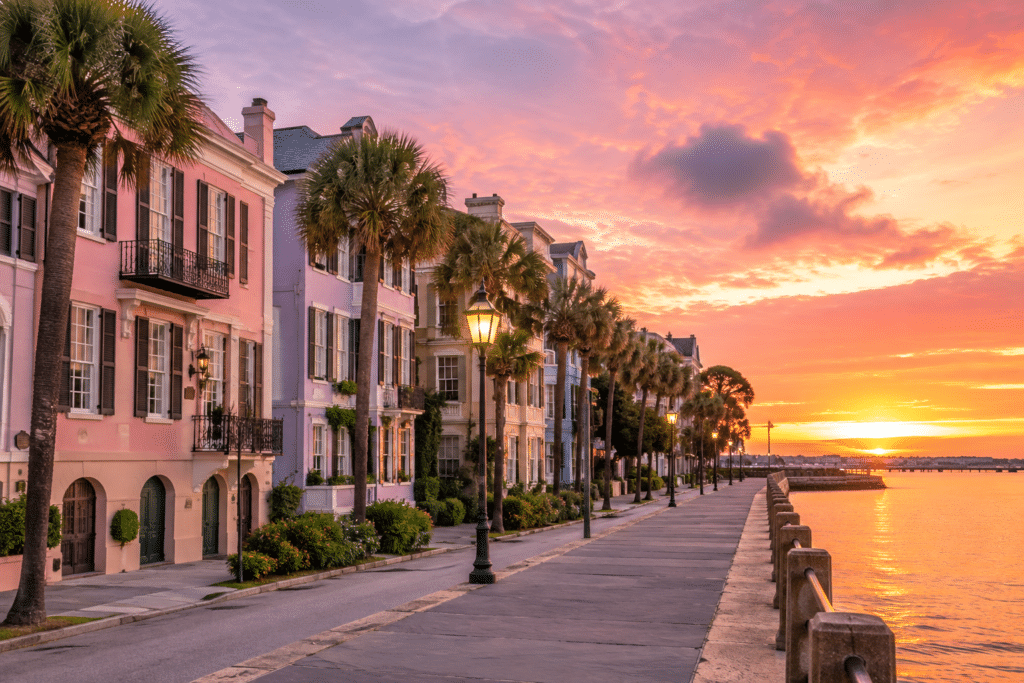
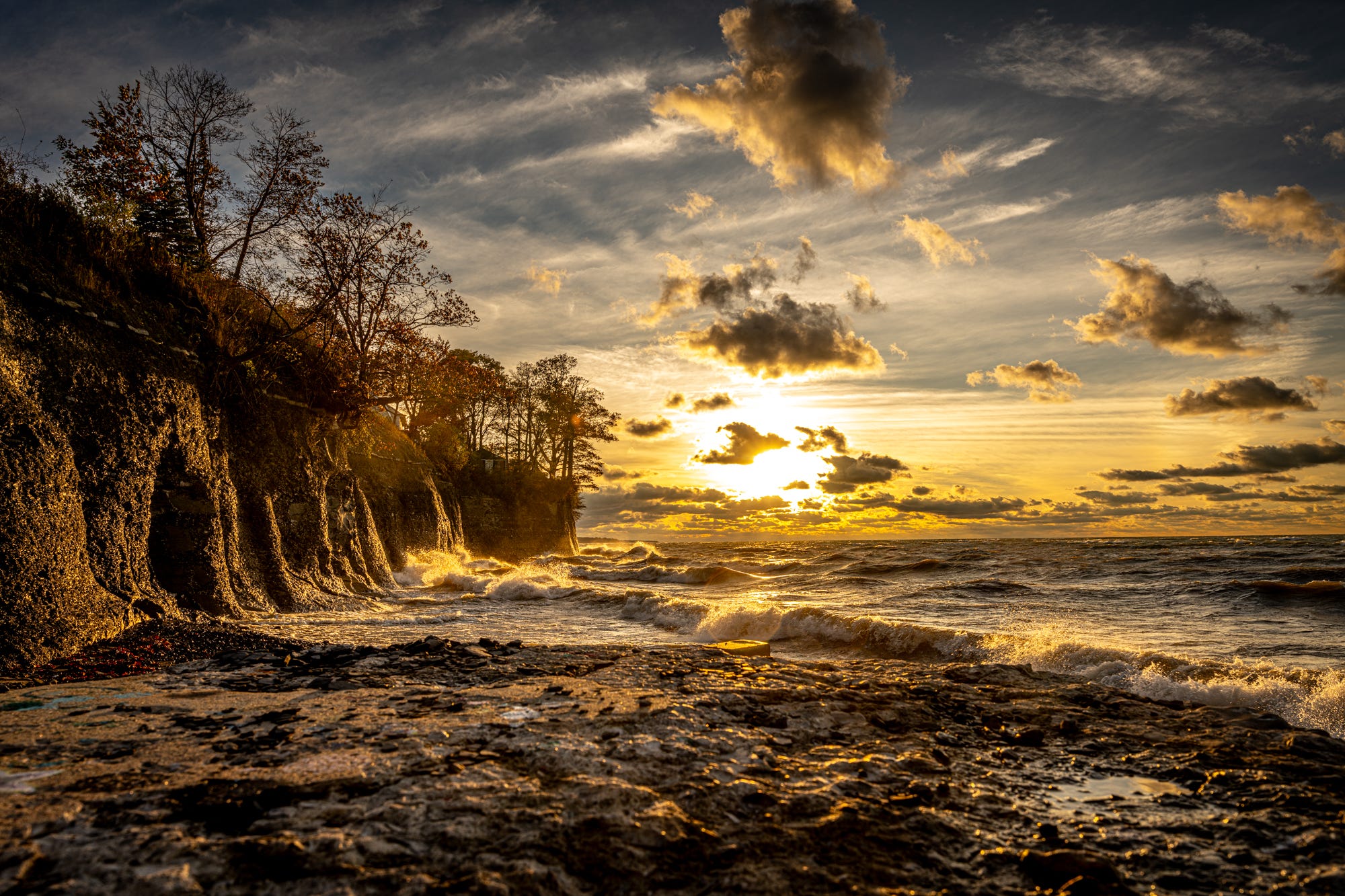
The sunset picture above, when posted to my Instagram, garnered well over 100 likes. The picture of the roadside memorial received fewer than a dozen.
For years, I chased the same things. Good light. Strong color. Dramatic skies. Waterfalls, reflections, autumn leaves, sunsets that seemed to justify the early alarm and the gear I carried.
There’s nothing wrong with photographing beautiful things. I still appreciate a well-made photo of a mountain or a glowing sky. I know the work that goes into one.
But photography has become too beautiful.
Scroll through photos online for five minutes. You’ll see one polished image after another. Perfect clouds. Flawless skin. Controlled light. Tuned color.
Many of these photos are technically excellent. Sharp, balanced, skillfully processed.
And still, they feel empty. They impress me. They don’t stay with me.
That’s changed how I shoot
I’m drawn to subjects I once ignored:
- Roadside memorials
- Abandoned buildings
- Trees that have been cut down for no clear reason
- Trash left where it doesn’t belong
- Small signs of neglect and time
These photos aren’t always pleasant. They won’t earn many likes. They probably won’t sell as wall art.
But they make me stop. They stay with me after I’ve made them, and that matters more to me now.
Beauty isn’t the problem. Beauty as a requirement is.
When every image has to be attractive and easy to admire, photography becomes predictable.
You start using the same compositions. Chasing the same weather. Visiting the same locations. Processing every photo with the same colors and the same dramatic contrast.
You observe what garners attention and replicate it. I teach how to edit an image to highlight the most captivating elements of a scene, thereby increasing its universal appeal. If you’ve watched my videos, you’ll recall that I’ve shared techniques to enhance the drama of the sky and make expansive green grass more intriguing—to name a few.
That repetition pays off. Praise, followers, sales, recognition. It also trains you to stop listening to your own instincts.
Post a photo that means something to you, and almost nobody responds. Post a colorful sunset, and the reaction is instant.
The message feels clear: give people more sunsets.
But what happens when you stop caring about sunsets?
The photos that stay with us aren’t always beautiful
Some are uncomfortable. Imperfect. Unresolved. They show something we’d rather not see. They ask a question they refuse to answer.
Those photos carry more weight. They demand something from the viewer. They reveal a point of view instead of just searching for something pretty. I’m not telling you to stop photographing beauty. I’m telling you that beauty shouldn’t be the price of admission.
A photograph doesn’t have to decorate a wall. It doesn’t have to flatter the viewer. It doesn’t have to be easy, or pleasant, or resolved.
It only needs to matter. To you.
Ask yourself this
Next time you raise your camera, ask why. Are you responding to something you genuinely care about? Or repeating a formula that’s worked before?
Are you making this photo because it interests you? Or because you already know people will like it?
There’s a difference between a photo that attracts attention and one that deserves it. It’s easy to confuse the two.
Maybe photography hasn’t become too beautiful. Maybe photographers have become too afraid to make anything else.
So here’s the question worth sitting with:
If nobody praised your photos, liked them, shared them, or bought them, would you still make the same pictures?
https://substack.com/@anthonymorganti